on December 31, 2025

Omega-3 fatty acids have gained a glowing reputation in the beauty and wellness world. From promises of dewy skin to lustrous hair and strong nails, these healthy fats are touted as a beauty-from-within secret. But does Omega-3 really live up to the hype for skin, hair, and nail health? Let’s dive into the science-backed benefits, compare Omega-3 to other popular beauty supplements, and see how to harness it (from fish oil or plant sources) for your beauty routine.
Omega-3 101: fish vs. plant sources
Omega-3s are essential fatty acids – meaning our body cannot make them, so we must get them from diet or supplements. There are three main types:
- EPA (eicosapentaenoic acid) – primarily from fatty fish (like salmon, mackerel, sardines) and fish oil.
- DHA (docosahexaenoic acid) – also from fish/seafood and algae-based supplements.
- ALA (alpha-linolenic acid) – found in plant sources like flaxseed, chia seeds, walnuts, and canola oil.
Fish-based Omega-3s (EPA/DHA) are the heavy hitters in terms of active benefits. ALA from plant foods is healthy too, but our bodies convert only a small percentage of ALA into EPA and DHA. So, if you are vegetarian or rely on plant Omega-3s, you may need a higher intake of ALA-rich foods to get equivalent benefits. Many people choose to include both types: enjoying flax or chia seeds and taking a fish oil or algae-based DHA/EPA supplement for comprehensive coverage.
Tip: If you are not eating oily fish at least twice a week, consider an Omega-3 supplement. Most experts recommend a minimum of 250–500 mg combined EPA and DHA per day for healthy adults. (For reference, a typical fish oil capsule contains about 300 mg EPA+DHA, while a tablespoon of flaxseed oil provides ~7,000 mg ALA, of which only a fraction converts to EPA/DHA.) Always check with your healthcare provider, especially if you have dietary restrictions or take medications.
Skin benefits of Omega-3
Want radiant, moisturized skin? Omega-3 might be your new best friend. These fatty acids play a structural role in our cell membranes, including skin cells, and they boast impressive anti-inflammatory properties. Here are some of the skin benefits linked to Omega-3:
- Enhanced Hydration: Omega-3s help fortify the skin’s barrier, sealing in moisture. In one small clinical study, women who took about half a teaspoon (2.5 ml) of flaxseed oil (rich in ALA) daily saw a 39% increase in skin hydration after 12 weeks, along with smoother, less irritated skin compared to a placebo group. If you struggle with dry, flaky skin, ensuring you get enough Omega-3 could make a visible difference in skin plumpness and softness.
- Calming inflammation and acne: Because Omega-3 fats can dial down inflammation, they may help soothe inflammatory skin issues. Emerging research suggests that acne is heavily influenced by inflammation. Diets rich in Omega-3 (or fish oil supplements) have been associated with reduced acne lesion counts in some studies . Omega-3s won’t replace your acne medications, but they might reduce redness and severity of breakouts by lowering the inflammatory chemicals in the skin. Interestingly, Omega-3 supplements have also been reported to reduce the side effects of isotretinoin (a powerful acne drug), helping alleviate the dry skin and irritation that come with that treatment.
- Eczema, psoriasis and itchy skin relief: Omega-3 intake has been studied for conditions like atopic dermatitis (eczema) and psoriasis, which involve inflammation and compromised skin barrier function. Some research (including clinical trials) indicates fish oil supplements can improve psoriasis symptoms or reduce itch and redness in eczema, thanks to Omega-3’s immune-modulating effects. However, results have been mixed – not all studies show a big improvement, likely because of varying dosages and individual differences. Still, given Omega-3’s excellent safety profile, dermatologists consider it a reasonable adjunct for inflammatory skin conditions – it might help, and is unlikely to hurt.
- Sun protection and anti-aging: Perhaps one of the coolest findings is that Omega-3 might bolster your skin’s defense against UV damage. It won’t replace sunscreen, but studies have found that people who consume high levels of long-chain Omega-3s or apply Omega-3-rich oils have less UV-induced redness and sunburn. For example, EPA- and DHA-rich fish oil applied after UV exposure reduced skin redness by ~25% in one experiment. Omega-3s seem to reduce UV-triggered inflammation and may even help guard against photoaging (premature skin aging from sun). Lab research shows EPA can inhibit the elevation of enzymes that break down collagen after UV exposure, potentially protecting skin’s firmness. Moreover, some studies in animals link Omega-3-rich diets to lower risk of skin cancer formation. While human data is still limited, it’s fascinating to think your salmon dinner could be helping your skin stay resilient against the sun.
Bottom line for skin: Omega-3 fatty acids contribute to a healthier, more hydrated complexion. By reducing inflammation and strengthening cell membranes, they help combat dryness, redness, and irritation. Many beauty-conscious folks report a “glow” or reduction in skin sensitivity after adding Omega-3s. Science backs some of these observations – though more research is needed, there is enough evidence to say Omega-3 does benefit the skin in multiple ways. And with general health perks as a bonus (heart and brain benefits, anyone?), it is a win-win for your skincare routine and overall wellness.
Does Omega-3 help with hair growth and thickness?
If you have been eyeing your hair hoping for extra shine or thickness, Omega-3 might be worth a try. Hair health starts at the scalp and hair follicle, where Omega-3’s anti-inflammatory and nourishing effects come into play. Here is what studies and experts have found:
- Reduced hair shedding and improved density: A noteworthy clinical trial in 2015 investigated a supplement combining Omega-3 and Omega-6 fatty acids plus antioxidants in women with thinning hair. After 6 months, the results were impressive: the Omega-3 supplement group had significantly increased hair density and reduced hair loss compared to the control group. Nearly 90% of the women taking the Omega-3/6 supplement reported their hair was thicker and that they experienced less shedding by the end of the trial. This is a remarkable outcome, suggesting that Omega-3 (along with the right mix of other nutrients) can indeed help combat female-pattern hair thinning. It is important to note the supplement also contained Omega-6 (GLA) and antioxidants, but Omega-3 (EPA/DHA) was a key component. Dermatologists find these results promising, though they advise that more studies are needed before Omega-3 becomes a stand-alone “cure” for hair loss. Still, if your hair is gradually thinning, ensuring you have plenty of Omega-3 in your diet is a smart strategy for potentially fuller, healthier hair.
- Nourished scalp = healthier hair: Omega-3s support scalp health by reducing inflammation in hair follicles and improving circulation in tiny blood vessels under the skin. Inflammatory scalp conditions (like psoriasis or dermatitis on the scalp) can contribute to hair shedding or poor growth. Omega-3’s calming effect may create a better environment for hair to grow. Some people also notice less scalp dryness or flakiness (dandruff) when they take fish oil – likely because Omega-3 helps hydrate the skin, and that includes your scalp. A well-nourished scalp is the foundation for strong hair.
- Hair strand strength and shine: Since hair shafts are made largely of protein (keratin), they rely on a healthy supply of nutrients to stay strong. Omega-3s provide oils that can lubricate the hair shaft and help prevent hair from becoming dry and brittle. There is a bit of indirect evidence here: Omega-3 deficiency has been linked to dry, brittle hair and even hair losst. In other words, if you do not get enough of these fats, your hair may suffer. Conversely, meeting your Omega-3 needs could translate to hair that’s more elastic and shiny (especially when combined with a good hair care routine). Some trichologists (hair specialists) speculate that Omega-3s might help prolong the anagen (active growth) phase of hair, although more research is needed to confirm this effect in humans.
Reality check for hair: While Omega-3 is not a magic potion that will transform your tresses overnight, it does offer genuine benefits that can improve hair quality over time. The strongest evidence is for reducing hair loss and improving density in those experiencing thinning. If you are dealing with significant hair loss or conditions like androgenetic alopecia, you should still consult a dermatologist for proven treatments. But adding Omega-3 (via eating fatty fish or taking a supplement) is a fantastic complementary approach to support your hair from the inside out. It nourishes the scalp, helps hair follicles stay healthy, and may give your strands more shine and strength. Think of it as laying a healthy foundation – you still need good hair care practices, but Omega-3 gives your hair a better chance to grow to its full potential.
Omega-3 for stronger nails
Don’t forget your nails – those tiny but telling indicators of health. Just like skin and hair, nails can reflect nutritional status. Many of us have dealt with brittle, peeling nails at some point, especially in dry weather or as we age. Can Omega-3 help here? The answer is indirectly, yes – especially if dryness or inflammation is part of the problem.
Nails are composed of layers of keratin, and they require a mix of nutrients (protein, biotin, minerals, etc.) to grow properly. Omega-3s contribute by:
- Reducing nail bed inflammation: The nail beds (the skin underneath your nails) can benefit from Omega-3’s anti-inflammatory action. In fact, dry, inflamed cuticles or nail beds might impair healthy nail growth. Omega-3 fatty acids are vital to reduce inflammation in your nail bed and surrounding skin. This can promote a healthier environment for nail formation.
- Preventing dry, brittle nails: One common cause of brittle nails is lack of natural oils and moisture. Omega-3 helps by moisturizing from within – it improves the oil content in your nail plate and cuticles. Dermatologists often advise foods like salmon, walnuts, or flaxseeds for patients with brittle nails, because Omega-3-rich foods “can reduce dryness” and help keep nails flexible. If your nails tend to crack or split, it might be partly due to dryness; Omega-3 intake could improve their resilience. (Of course, also remember to hydrate your nails externally with cuticle oil and avoid over-drying from harsh chemicals.)
It’s worth noting that severe Omega-3 deficiency can manifest as dry skin and brittle nails. So ensuring you get enough of these fats is important for baseline nail health. Compared to hair and skin, there’s less direct research on Omega-3 supplements for nail growth. However, many nutritionists and beauty experts include Omega-3 in the list of nutrients for strong nails, alongside biotin and zinc. The consensus is that nails, being a fast-growing tissue, need a steady supply of nutrients and healthy fats to grow out strong and smooth.
Bottom line for nails: Omega-3 contributes to nail health mainly by combating dryness and inflammation that can cause brittleness. Think of it as nourishing your nails at the cellular level. If you struggle with weak nails that chip easily, Omega-3 (from a balanced diet or supplements) could be part of the solution – in addition to proper nail care and other nutrients. Over a few months, you may notice your nails growing out stronger with fewer splits, thanks to that internal boost of healthy fats.
Omega-3 vs. collagen vs. biotin: which is best for beauty?
Collagen peptides and biotin (vitamin B7) are two other superstar supplements in the beauty realm. How does Omega-3 compare, and should you favor one over the others? The truth is, each of these plays a different role in skin, hair, and nail health:
- Collagen: Collagen supplements provide the building blocks (amino acids) for your body to produce collagen, which is the protein that gives skin its firmness and elasticity. Taking collagen peptides has shown some benefits for skin hydration and reducing wrinkles in clinical studies. However, collagen mainly works on the structural aspect of skin. By contrast, Omega-3 works on the inflammatory and cell membrane aspect. As one report neatly summed up – “Collagen builds skin structure and elasticity, while EPA (an Omega-3) helps protect skin from inflammation and environmental damage.”. In other words, collagen and Omega-3 are not an either/or choice – they complement each other. Collagen can help plump up the skin from within, and Omega-3 creates a calmer, hydrated environment so that your skin’s collagen isn’t being broken down as rapidly by inflammation. In fact, using them together may give more complete benefits than either alone. If you are focused on youthful skin, you might use collagen for wrinkles and Omega-3 for glow and calming redness.
- Biotin: Biotin is famous as the “hair and nails” vitamin. It’s true that biotin deficiency causes hair loss and weak nails – but actual biotin deficiency is rare for most healthy adults. Research shows that biotin supplementation is only clearly effective in certain cases: for example, improving brittle nails in people with that specific issue, or promoting hair growth in those with a confirmed biotin deficiency. For the average person with normal biotin levels, taking huge doses of biotin might not lead to any extra hair growth magic – and excess biotin can even mess with lab test results or cause acne breakouts in some people. Omega-3, on the other hand, benefits a broader population by targeting common problems like inflammation and dry scalp. It was even shown to improve hair thickness in women without any vitamin deficiency, which is something biotin has not been proven to do in a controlled trial (unless you were deficient to start). In essence, biotin is helpful if you are low in biotin or have brittle nails, but it’s not a universal fix for hair loss. Omega-3 addresses a different angle – it feeds the hair follicles with healthy oils and reduces inflammation that can impede hair growth.
So, which is better for beauty: Omega-3, collagen, or biotin? If we have to pick, Omega-3 stands out for its all-around wellness benefits plus notable beauty perks. It improves skin, hair, and nail quality at a foundational level (cell membranes, hydration, inflammation balance) that neither collagen nor biotin directly tackle. Collagen is great for skin structure, and biotin is a go-to for nail strength in specific cases – but Omega-3 is the all-rounder that can boost your beauty and health simultaneously.
Of course, you don’t necessarily have to choose one – many beauty-conscious adults take a combination (for example, a collagen peptide in their smoothie, a multivitamin with biotin, and a daily fish oil capsule). They each work differently, and there’s no evidence of harm in combining them. Just be mindful and introduce supplements one at a time to observe what works for you. And remember, even the best supplement can’t outshine an overall healthy diet and lifestyle (sleep, hydration, sunscreen, etc.) when it comes to beauty!
How to use Omega-3 for healthy skin, hair, and nails
Ready to let Omega-3 work its beauty magic? Here are some practical tips on incorporating Omega-3 into your routine, plus guidance on dosage:
1. Eat Omega-3-rich foods: The simplest (and tastiest) way is to consume Omega-3 through foods. Fatty fish like salmon, tuna, mackerel, herring, and sardines are powerhouses of EPA and DHA. Aim for 2 servings of oily fish per week (each serving ~100 grams) to meet your needs. If you’re plant-based, load up on ground flaxseeds, chia seeds, hemp seeds, and walnuts for ALA omega-3. For example, sprinkle flax or chia in your oatmeal or smoothie, and snack on a handful of walnuts. Plant sources every day plus the occasional algae-based Omega-3 supplement can cover you if fish isn’t on the menu.
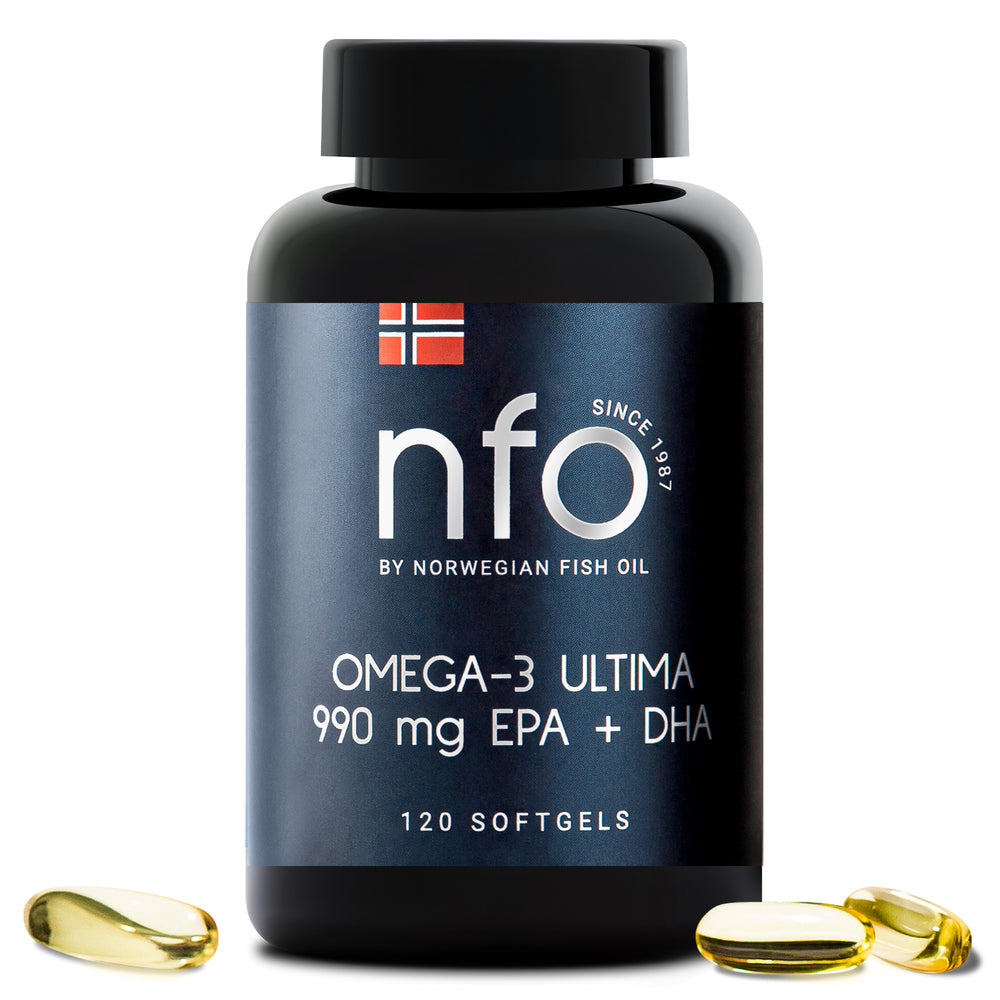
2. Consider supplements (fish oil, krill oil or algae oil): If your diet falls short, an Omega-3 supplement is a convenient backup. Fish oil capsules are most common – a typical dose might be 1,000 mg of fish oil, containing around 300 mg combined EPA/DHA. You can also find algal oil supplements (derived from algae) which provide DHA and EPA and are vegan-friendly. For general skin/hair/nail benefits, you don’t need mega-doses; sticking to the standard 250–500 mg EPA+DHA daily is a good start. Some studies that targeted specific issues (like eczema or acne) used higher doses, often 1,000–3,000 mg of EPA+DHA per day, but you should consult a doctor before taking high doses. Remember that Omega-3 supplements work gradually – give it at least 3-4 months to notice changes in your skin or hair, as those tissues take time to renew. And consistency is key.
3. Dose timing and tips: Take your Omega-3 supplement with a meal (especially one containing some fat) for better absorption. This also helps prevent any fishy aftertaste or “fish burps” that some people experience. If you’re prone to indigestion, start with a smaller dose and build up. Quality matters too – choose a reputable brand that certifies their fish oil is purified (look for terms like “molecularly distilled” or tests for heavy metals and purity). Store your fish oil in a cool, dark place to prevent it from oxidizing (rancid oil not only smells bad but loses potency).
4. Stay consistent and track changes: It’s a good idea to track your progress. Perhaps take a “before” photo of your skin or hair and then check back after a few months of regular Omega-3 intake. Many people report subtle improvements: makeup might go on smoother due to less flaky skin, or their hairdresser notices baby hairs growing in. When it comes to nails, pay attention to the new growth from the cuticle – that’s where you’ll see if the nail is coming in stronger (the tips of your nails reflect your nutrition from several months ago!). By keeping an eye on these details, you can gauge if Omega-3 is making a difference for you.
5. Balanced diet = best results: Omega-3 will work best in tandem with an overall nutrient-rich diet. Make sure you’re also getting enough protein (for collagen and keratin), vitamins A, C, E (for skin repair and antioxidant protection), zinc and iron (important for hair growth), and yes, biotin too (eggs, almonds, or a B-complex can help there). Omega-3 is like the moisturizing, calming component of your diet, while other nutrients cover strength and structure. Together, they create the optimal conditions for beauty. And of course, healthy fats like Omega-3 also benefit your mood, heart, and joints – so you’ll feel good, which is the ultimate beauty boost!
The verdict: is Omega-3 worth it for beauty?
In a word, yes. Omega-3 fatty acids are a science-backed ally for more radiant skin, fuller hair, and sturdier nails. They are not a gimmicky quick fix, but rather a foundational nutrient that addresses key underlying factors – inflammation, cell health, and hydration – that often stand between us and our beauty goals. By reducing inflammation, Omega-3s can calm down skin conditions (acne, eczema, etc.) and create a healthier scalp environment for hair to thrive. By strengthening cell membranes, they keep skin plump and hydrated and nails less prone to breakage.
Keep your expectations realistic: you won’t wake up with Rapunzel’s hair or magically never need moisturizer. But give it some time, and most people do notice tangible improvements: skin that’s not as dry or irritated, hair that sheds less in the shower, nails that don’t peel as easily. Plus, you’re doing your overall health a favor in the process. That inner wellness will reflect outwardly in the long run.
So, if you’re a beauty-conscious adult looking to invest in your skin and hair health, Omega-3 (from fish oil or flax – your choice) is definitely worth considering. It’s one of those timeless nutrition tips your future self will thank you for. Glow on, and let Omega-3 work for you from the inside out!
References:- Goodman, E. (2021). Is omega-3 good for hair growth? Medical News Today – Discusses limited but promising evidence that omega-3 (fish oil) may aid hair growth and thickness, citing a 2015 study on women with thinning hair medicalnewstoday.com.
- Le Floc’h, C. et al. (2015). Effect of a nutritional supplement on hair loss in women. J. Cosmet. Dermatol. 14(1): 76-82. – A 6-month RCT where women taking an omega-3 & 6 plus antioxidant supplement saw improved hair density and reduced hair shedding compared to placebo pubmed.ncbi.nlm.nih.gov.
- Petre, A. (2019). Potential Benefits of Omega-3s for Skin and Hair. Healthline – Review of research on omega-3 for skin hydration, acne, and hair. Notably mentions a flaxseed oil study where 2.5 ml/day improved skin hydration by 39% in 12 weeks healthline.com, and omega-3’s role in reducing acne lesions and inflammatory skin symptoms healthline.com.
- Illinois Dermatology Institute (2025). How to Strengthen Brittle Nails: Daily Habits That Work – Dermatologist advice blog noting that omega-3 fatty acids from foods like salmon, walnuts, and flaxseed can reduce nail dryness, helping combat brittle nails illinoisderm.com.
- Times of India (2023). Omega-3 deficiency: Brittle nails and dry skin could be a sign – Health news piece explaining that lack of omega-3 can lead to dry skin, flaky scalp, brittle nails, and even hair loss due to undernourished hair follicles timesofindia.indiatimes.com.
- Katta, R. & Huang, S. (2019). Skin, Hair and Nail Supplements: An Evidence-Based Approach. Skin Therapy Letter, 24(5): 1-4. – Highlights that biotin’s efficacy is only proven for brittle nails or in those with true biotin deficiency, not for general hair growth skintherapyletter.com.
- Kesner, B. (2025). Is EPA the New Collagen? Performance Lab – Article comparing collagen and omega-3 (EPA) for skin health. Key takeaway: collagen builds skin’s structure, while omega-3 EPA protects skin by reducing inflammation; using both can yield more complete skin support performancelab.com.
- Love Wellness (n.d.). How Much Omega-3 Should You Take per Day? – States that a common recommendation for adults is 250–500 mg of combined EPA and DHA daily, though higher amounts may be advised for certain health goals lovewellness.com.